Catch More in Less Time: Urban Fishing on Your Break
City schedules are tight, but fish still bite. Here we dive into quick, time-boxed urban fishing techniques for a 30–45 minute break, focusing on prepped gear, lightning-fast spot assessment, efficient rigs, ethical handling, and small rituals that turn short windows into satisfying, repeatable wins.

Pack-Light Kit That’s Ready Before the Clock Starts

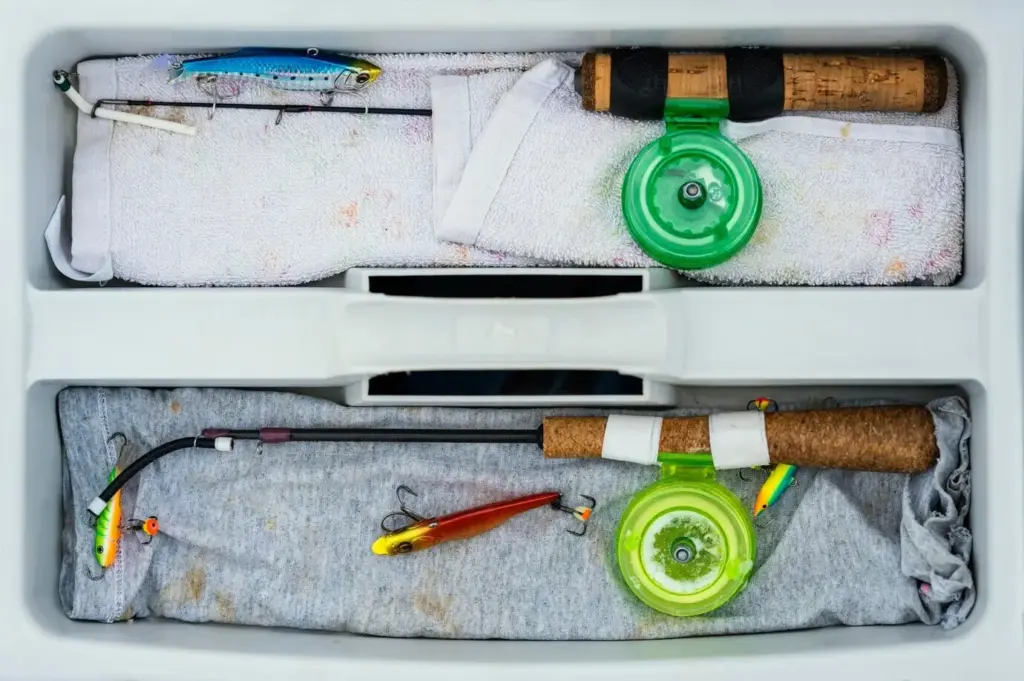
Preparation decides everything when minutes matter. Keep a streamlined kit that lives by the door, with versatile tackle pre-rigged, terminal gear staged, and backups organized. The goal is zero hesitation: grab, go, fish, return—no rummaging, no tangles, just smooth, compact readiness every single time.

Fast Spot Selection Within Five Minutes of Arrival

{{SECTION_SUBTITLE}}
Reading Urban Water in Seconds

Watch for bait dimples, bird behavior, and micro-currents wrapping around obstacles. Oil sheens and debris trails can reveal subtle flow. Test high-percentage angles first, then sweep the water column. If nothing taps within minutes, reposition several paces and change retrieve speed or depth decisively.

Crowds, Access, and Legal Checks

Before casting, confirm local rules, barbless requirements, and closed zones. Scan for joggers, dogs, and cyclists to avoid crossed lines and awkward tangles. Choose a stance that keeps you visible yet unobtrusive, protecting your space while respecting others who share the shoreline or pathway.

Rapid Rigs, Knots, and Presentations

Simplicity crushes the clock. Standardize on one reliable knot, one leader setup, and a handful of versatile lures or baits. Pre-tie leaders at home, trim tags cleanly, and use snaps wisely. Every saved minute converts directly into targeted casts and more potential hook-ups.

Species-Focused Tactics for Cities

Different urban waters host different players. Identify likely residents by structure, temperature, and forage, then tailor presentations accordingly. Carry a small reference of seasonal patterns, feeding windows, and legal sizes. Respect local fish populations so brief encounters remain sustainable, memorable, and genuinely rewarding across repeated micro-sessions.

Timing, Rhythm, and Time Boxing

Short sessions thrive on structure. Build a simple schedule that allocates minutes to walking, scanning, prime casts, experimentation, and exit. Use alarms or watch haptics to stay honest. This rhythm reduces decision fatigue, accelerates learning, and transforms scattered attempts into consistent, high-yield micro-adventures.

The 5-10-10-5 Framework

Try five minutes to arrive and rig, ten to probe the first target, ten to sweep a secondary option, and five to exit smoothly. Adjust by season or species. Commit to the clock, and track outcomes so your schedule becomes sharper, faster, and more rewarding every week.

Data-Driven Adjustments

Record wind, water color, clarity, tide or flow, and the precise minute of each bite. Patterns surface quickly when notes are consistent. Use that evidence to prioritize presentations. Small insights—one lure, one angle, one tide—compound into reliable decisions that protect precious minutes and produce steady action.

Stewardship, Safety, and Urban Etiquette

Quick sessions still carry responsibilities. Pack out every scrap, crimp barbs where appropriate, and release fish efficiently. Be visible at dusk, mind slippery edges, and watch for traffic. Friendly conversations with passersby build goodwill, opening future access and celebrating shared waterways within vibrant city life.

Leave No Trace in Concrete Landscapes

A tiny bag for discarded line and wrappers weighs nothing but earns gratitude. Photograph catches above wet mats, not dusty sidewalks. Avoid blocking stairs, ramps, and bike lanes. Your conduct shapes perception, encouraging supportive policies that protect access and inspire more people to care for urban waters.

Sharing Space with Commuters and Wildlife

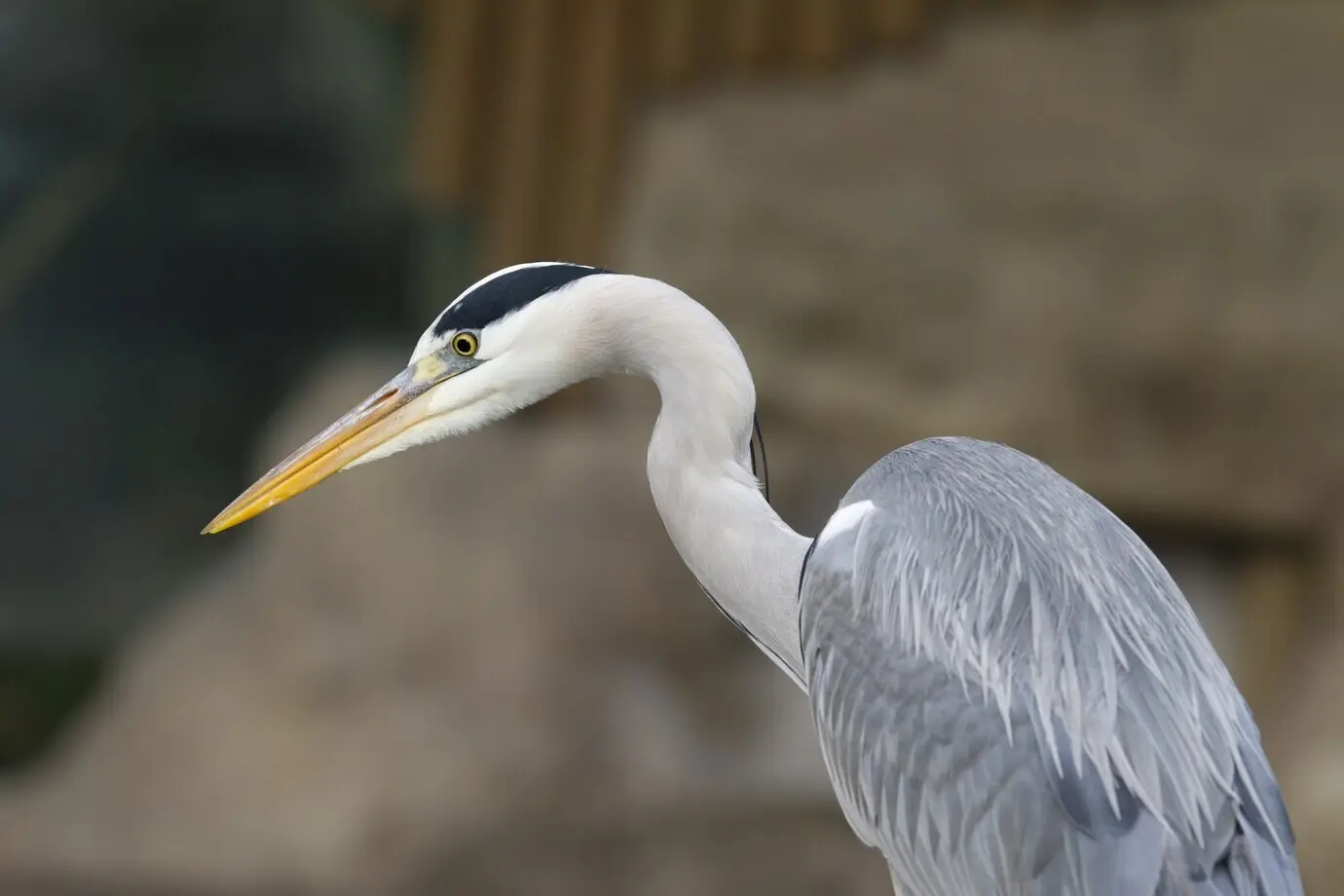
Cast from angles that minimize crossing paths. Keep hooks shielded while walking. Respect birds hunting along edges and turtles basking on logs. A calm, considerate presence prevents conflicts and lets you fish more effectively, because fewer interruptions mean tighter focus and more bites in limited minutes.

Handling Fish Fast and Kindly

Wet hands, control the head, and keep fish low over water. Use long-nose pliers for swift unhooking, revive gently, and release facing current. Ethical handling reduces mortality, honors the resource, and leaves you free to make another cast with a clear, satisfied conscience.

Capture the Win: Logging, Photos, and Community

Turning quick outings into progress requires reflection and connection. Keep a simple log, snap respectful photos, and share insights with nearby anglers. Friendly exchanges spark new ideas and local updates, while your notes reveal patterns that transform brief breaks into a season of confident results.

Micro-Logs That Actually Improve Catch Rate

Write down spot, structure, lure, cadence, and the exact minute of each strike. Note weather shifts and human traffic. Over time, you’ll see reliable cues that predict success. These micro-logs guide faster choices, reduce wasted casts, and turn tiny windows into dependable, repeatable productivity.

Fast Photos Without Stress

Stage tools before the bite: pliers accessible, camera unlocked, and a landing mat ready. Keep fish in water, raise briefly, smile, and return gently. Use burst mode, focus on natural light, and avoid cluttered backgrounds. Quick, respectful imagery preserves memories without sacrificing welfare or precious time.

Join the Lunchtime Angler Network

Say hello at the pier, reply to local threads, and invite a colleague for a quick session. Shared conditions and patterns help everyone catch sooner. Subscribe, comment with your city, and swap spots thoughtfully so access remains welcome, safe, and productive for the whole community.
Lezurulotipeku
Privacy Overview

This website uses cookies so that we can provide you with the best user experience possible. Cookie information is stored in your browser and performs functions such as recognising you when you return to our website and helping our team to understand which sections of the website you find most interesting and useful.