Catch More Fish Between Stops

Today we explore using public transit and bike routes to maximize short urban fishing sessions, turning trains, buses, and protected lanes into gateways to quick, focused bites. Learn how to fit meaningful casts between appointments, pack smarter, move lighter, and transform everyday commutes into efficient, restorative micro-adventures that deliver real fish, real joy, and zero wasted motion across your city’s blue and green corridors.

Why Commute-Smart Angling Works

City anglers often believe meaningful results require half-day commitments, but urban water near stations and bike paths changes that equation. By stacking brief windows with thoughtful preparation, you can fish more often, learn faster, and see patterns emerge. This approach rewards curiosity, rewards discipline, and proves consistency beats marathon sessions when your skills, routes, and gear align with the daily rhythm of moving through town.

Hidden Water Within Walking Distance

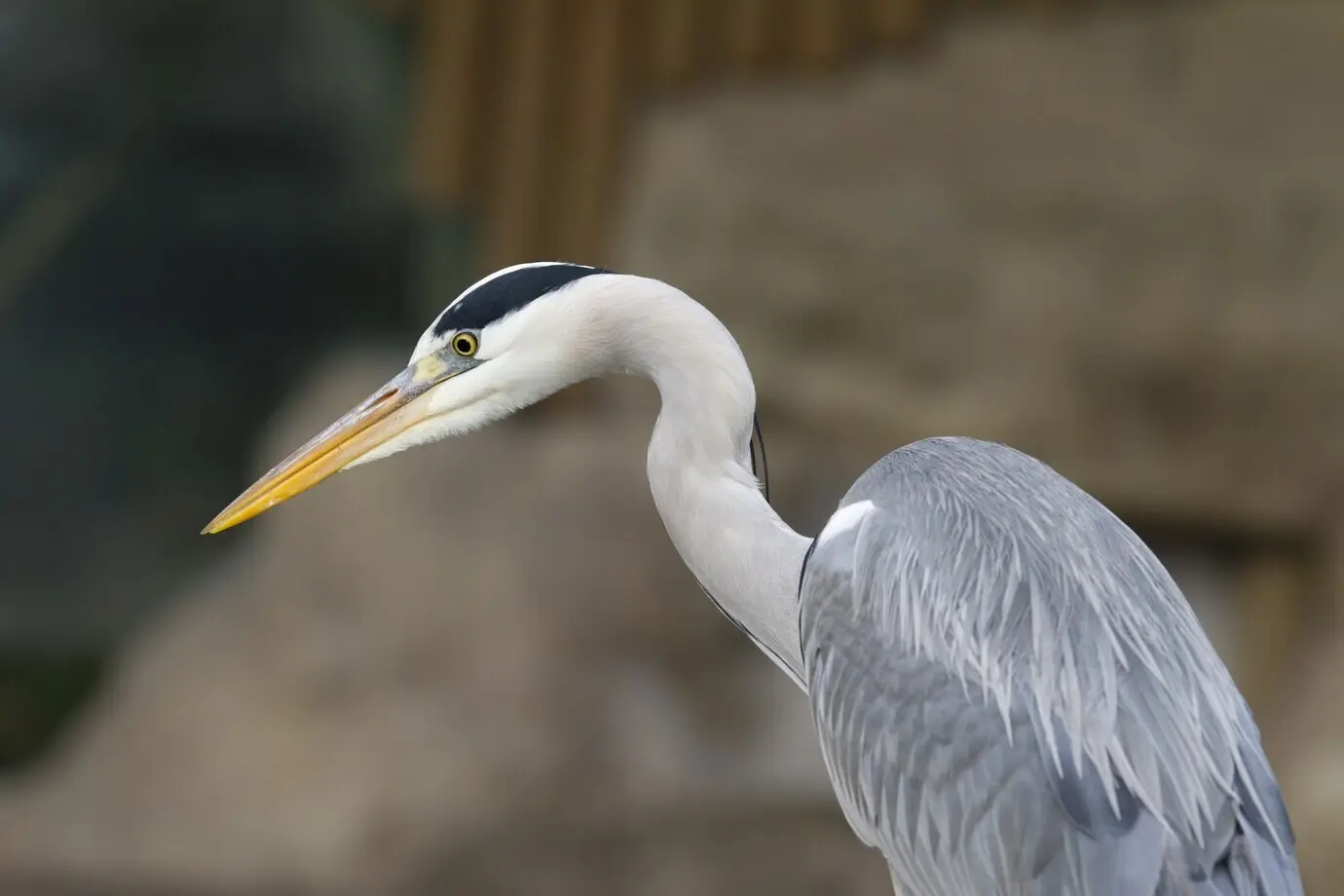
Under bridges, behind transit depots, and beside riverside promenades, overlooked edges hold bait and current seams. Stations typically cluster near waterways built for trade and drainage, which means deep holes, inflows, and rip-rap lie minutes away. By treating every stop as a potential access point, you gain a surprising network of productive edges that rarely see pressure during commuter hours.

Minutes, Not Hours: The Efficiency Mindset

Short windows force clarity. You pre-select lures, limit choices, and commit to high-percentage angles. Instead of wandering, you attack known ambush spots, then move. A fifteen-minute session, executed with intention, often outperforms aimless weekend marathons. Track small wins, log weather and water clarity, and your city becomes a living lab where improvement compounds through repetition rather than occasional, exhausting excursions.

Mapping Transit Lines to Productive Water
Rail corridors often parallel rivers, canals, and shorelines, placing platforms within easy reach of consistent fish-holding structure. When you overlay transit maps with hydro layers and bike lanes, patterns appear: feeder streams near junctions, lock systems at predictable intervals, and marinas bordering multi-modal trails. The right mapping habits unlock safe, repeatable routes, helping you spend minutes casting rather than wandering.

Bike Setups for Fast, Tangle-Free Travel
Foldables, Singlespeeds, and Gearing Choices

Folding models shine for train transfers and small apartments, while singlespeeds reduce maintenance during rainy weeks. Moderate gearing helps when hauling wet gear and climbing ramps. Choose a stable geometry that handles curb cuts, and always test mount clearances with your collapsed rod to avoid pedal strikes, derailleur interference, and unexpected snags in crowded bike cages.

Cargo Solutions: Panniers, Frame Bags, Bungees

Folding models shine for train transfers and small apartments, while singlespeeds reduce maintenance during rainy weeks. Moderate gearing helps when hauling wet gear and climbing ramps. Choose a stable geometry that handles curb cuts, and always test mount clearances with your collapsed rod to avoid pedal strikes, derailleur interference, and unexpected snags in crowded bike cages.

Security and Low-Profile Parking

Folding models shine for train transfers and small apartments, while singlespeeds reduce maintenance during rainy weeks. Moderate gearing helps when hauling wet gear and climbing ramps. Choose a stable geometry that handles curb cuts, and always test mount clearances with your collapsed rod to avoid pedal strikes, derailleur interference, and unexpected snags in crowded bike cages.

Ultralight Gear That Packs and Performs

Compact tools let you move gracefully through turnstiles and crowds without sacrificing capability. Telescopic or multi-piece rods, low-profile bags, and a tight lure selection cut decision fatigue. Choose corrosion-resistant hardware, microfiber layers, and quick-dry footwear. Every saved ounce preserves energy for accurate casts, controlled retrieves, and steady grips along slick, engineered shorelines and narrow urban landings.

Collapsible Rods and Compact Reels

Look for a 4–6 piece travel rod or reliable telescopic with strong ferrules, paired with a 1000–2500 size reel. Pack it in a slim tube with end caps and a soft sleeve. Balance matters: an ounce saved at the tip translates to better bite detection and less fatigue during repeated short sessions throughout a busy day.

Micro-Tackle That Punches Above Weight

Carry a handful of proven profiles: micro-jigs, inline spinners, small jerkbaits, and compact soft plastics like ned rigs. Match hooks to local species and regulations. Add split shot, snap swivels, and a tiny fluorocarbon spool. By curating confidence baits, you eliminate rummaging, cast sooner, and adjust depth quickly as current, light, and urban inflows shift by the hour.
Timing Micro-Sessions Around the City Clock

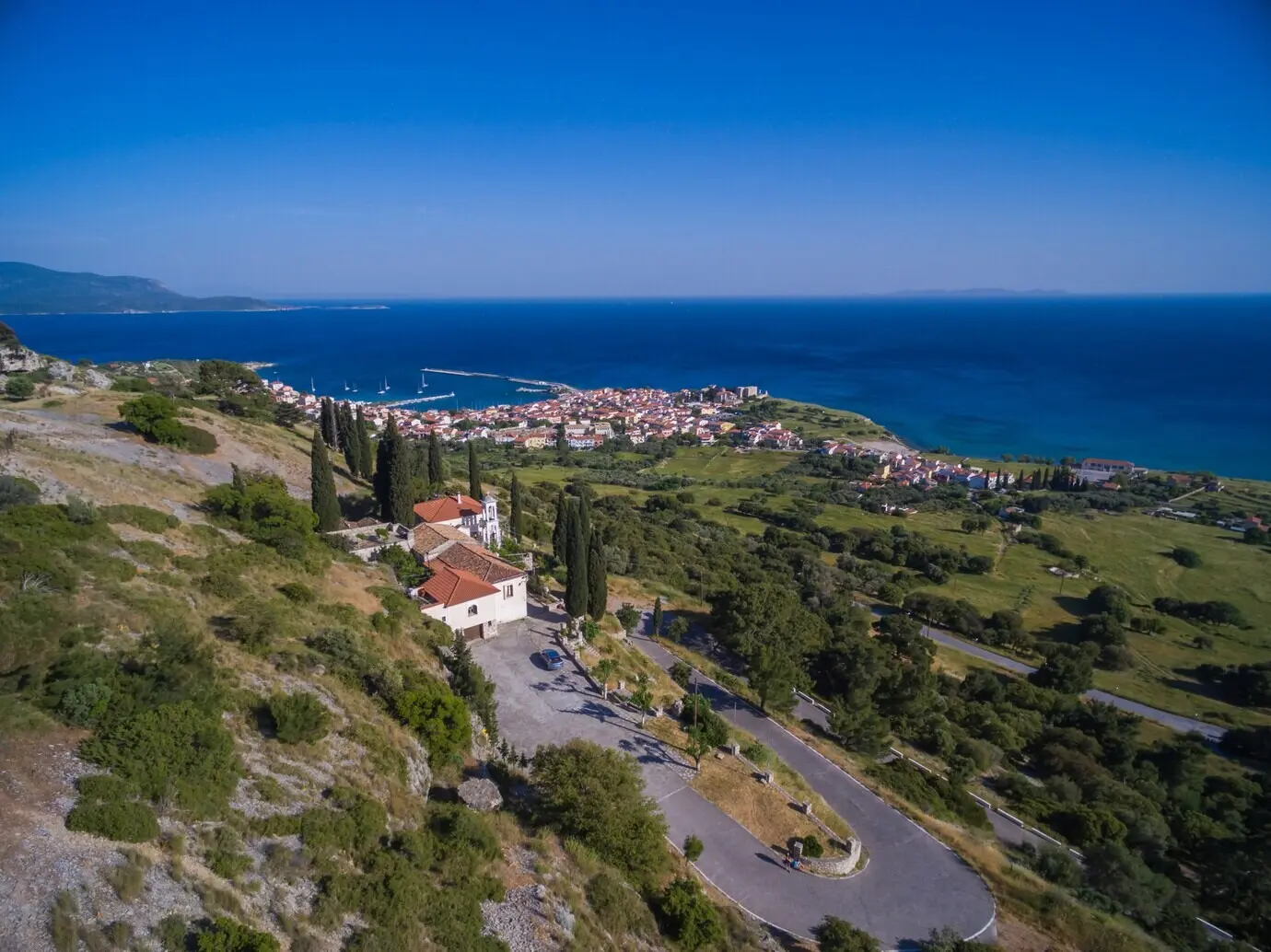
Urban water follows patterns tied to daylight, tides, releases, and schedules. Align casts with natural triggers and calendar openings, not wishful thinking. Twenty minutes at first light near a warm outflow can eclipse two idle hours later. Track your routine, embrace predictable windows, and let transit cadence pull you past spots that align with peak feeding cues.

Etiquette, Safety, and Local Regulations

Responsible behavior preserves access. Know licenses, seasonal closures, and equipment restrictions before packing. Share space with pedestrians, give cyclists predictable movements, and keep hooks covered while moving. Favor visible spots at night, respect private property lines, and pack out trash. Model good stewardship, invite conversation, and transform surprise encounters into supportive community relationships that outlast any single fish.

Licenses, Limits, and Closed Seasons

Purchase the correct permit, carry digital proof, and study local rules on barbs, bait, and species-specific closures. Urban waters can cross jurisdictions mid-bridge. Note creel limits and slot sizes, and keep a compact measuring tape. When uncertain, release fish. Your reputation as a careful angler protects fragile opportunity where enforcement and density converge daily.

Sharing Space With Pedestrians and Cyclists

Barbless hooks, rod tips down while walking, and lure covers prevent accidental snags. Yield early, announce passes clearly, and avoid blocking narrow ramps or railings. Keep gear consolidated, never sprawl across benches, and maintain calm, friendly body language. Every thoughtful interaction builds goodwill, reduces complaints, and keeps your favorite access points open for everyone tomorrow.

Staying Visible and Secure After Dark

High-visibility accents, reflective ankle bands, and a compact headlamp make you predictable in mixed traffic. Choose spots with lighting and escape routes, and keep valuables minimal. Let someone know your loop, set a check-in reminder, and trust instincts. If a place feels wrong, relocate. Safety-first decisions ensure your next quick session actually happens.
Lezurulotipeku
Privacy Overview

This website uses cookies so that we can provide you with the best user experience possible. Cookie information is stored in your browser and performs functions such as recognising you when you return to our website and helping our team to understand which sections of the website you find most interesting and useful.